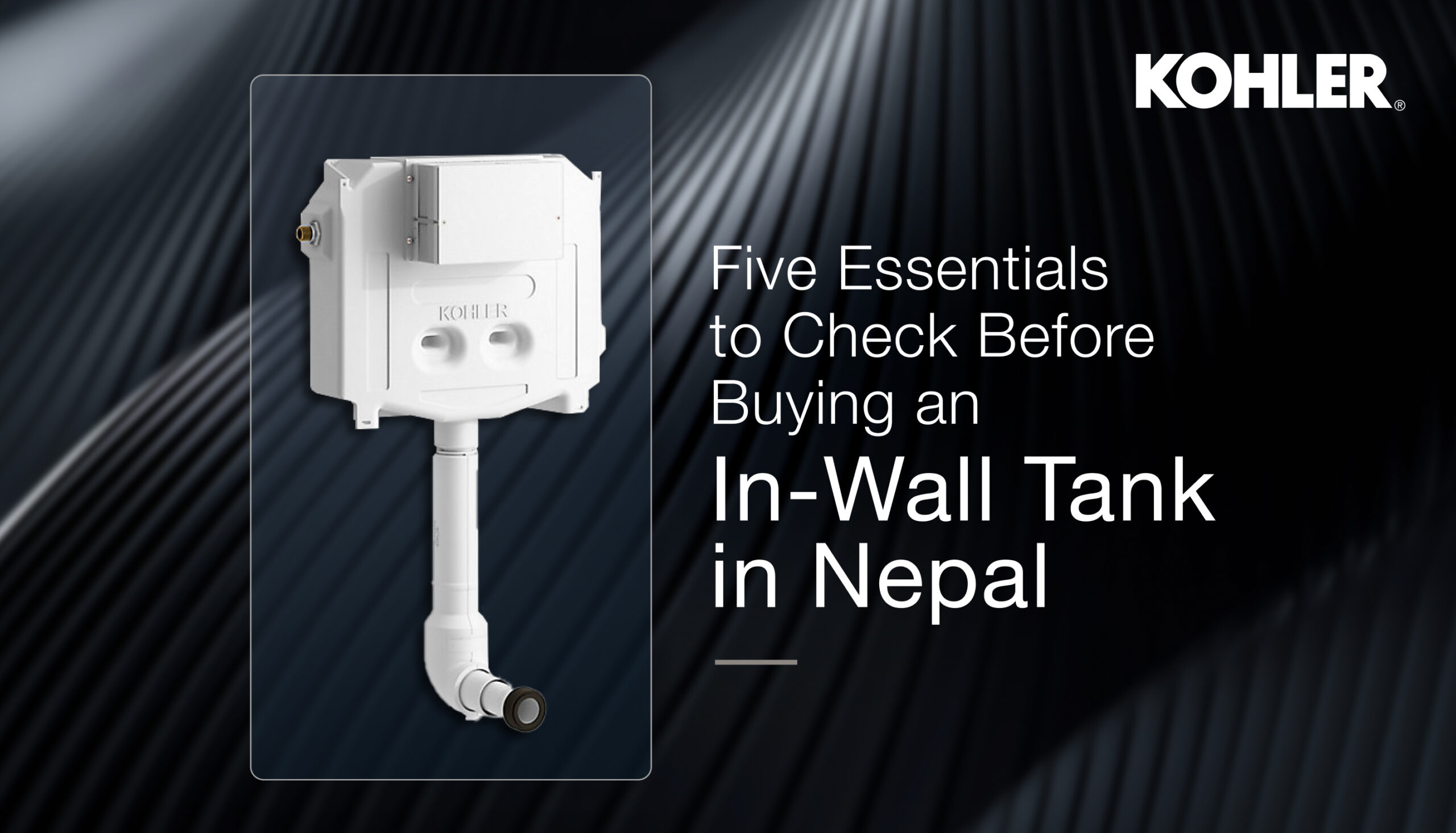
Clean lines, more floor visibility, and easier mopping have pushed wall-hung toilets into many new builds and renovations. The hidden engine behind the look is an in-wall tank, also called a concealed cistern, set inside a finished wall. A wall tank in Nepal also needs practical planning for masonry, plumbing, service access, and long-term support. The five checks below help set up a clean finish and steady performance.
Wall Structure and Load Planning
An in-wall tank relies on a steel frame transferring bowl load into the wall and the floor. Wall type drives frame choice and installation method. Solid brick or block walls use different fixing patterns than lightweight partitions. Seismic zones add another reason to insist on secure anchoring, level setting, and correct curing around fasteners. Early coordination with contractor, plumber, and tiler keeps finished wall lines straight and protects tile edges around the faceplate.
Plumbing Layout, Water Pressure and Flush Mechanism
A concealed cistern performs best when inlet position, outlet connection, and shut-off access match the site plumbing. Many Nepali homes face varied water pressure across seasons and floors, so stable fill control and reliable flush delivery matter. Mechanism choice also shapes feel and maintenance. Kohler in-wall tank Nepal options are offered in mechanical and pneumatic variants under the InstaFlush and InstaFit ranges.
Hard water and sediment also deserve attention. A clean supply line, a proper stop valve, and routine checks keep internal components operating smoothly for years.
Service Access and Parts Readiness
A concealed installation still needs routine access for valve servicing and internal adjustments. Standard practice uses the flush plate opening as the service window, so plate size and placement carry functional weight, along with design value. Long-term confidence improves when spare parts, compatible faceplates, and trained support remain accessible in Nepal. Selection through authorised channels supports warranty protection and keeps service response predictable.
Compatibility Across Tank, Bowl and Faceplate
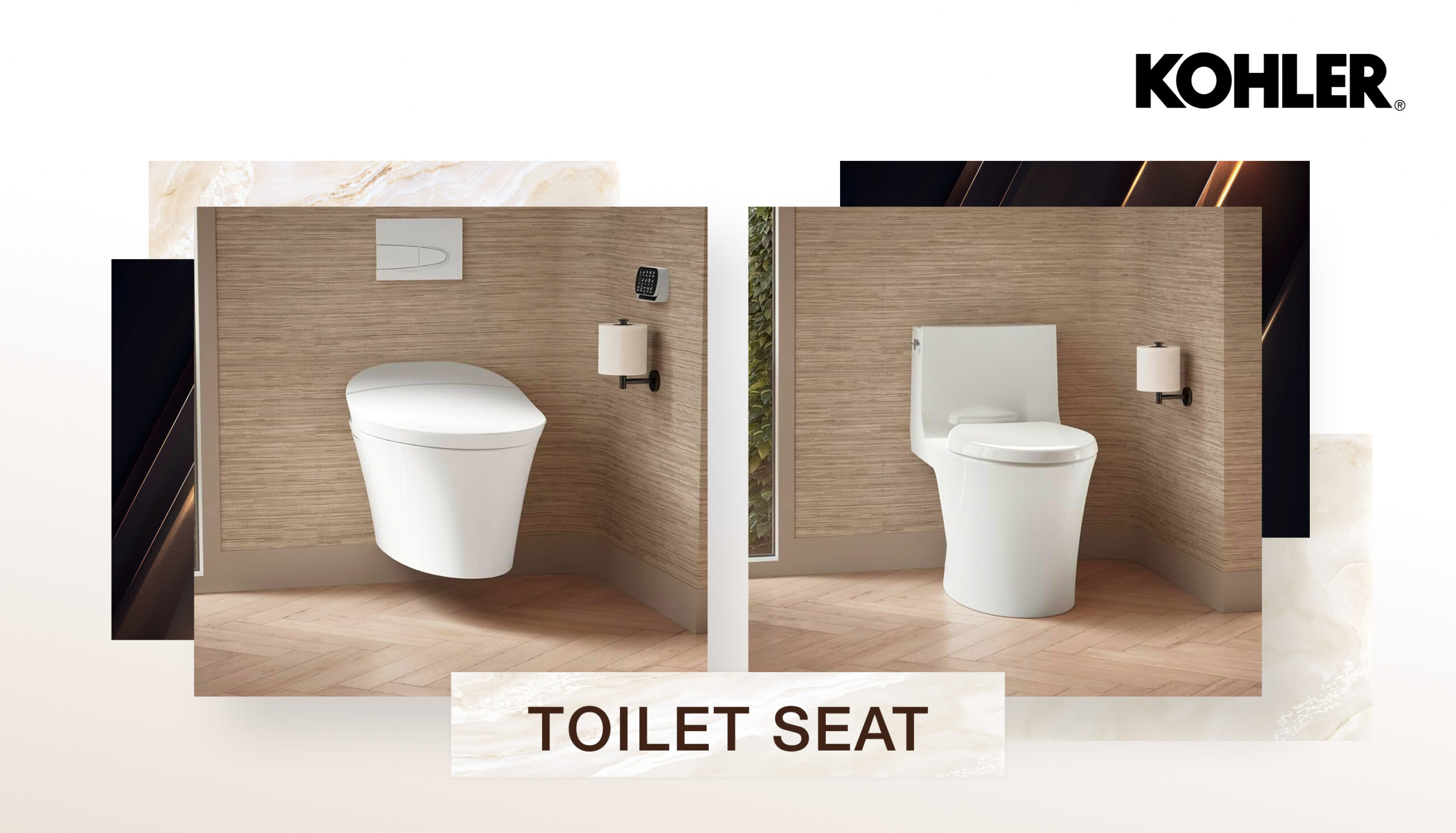
A refined wall-hung look depends on proper pairing across three elements: in-wall tank, bowl, and faceplate. Outlet height, bolt spacing, and bowl projection affect comfort and cleaning clearance. Faceplate design affects reach, finish matching, and visual harmony with tiles and fittings. Kohler Nepal lists wall-hung bowls and in-wall tanks intended to pair for a streamlined bathroom finish.
Budgeting Beyond the Headline Figure
Project budgeting often starts with the in-wall cistern price in Nepal, yet a concealed system includes more than the tank body. Total spend includes the frame, faceplate, installation labour, wall finishing, tiling, and testing. A strong system with dependable spares delivers better value over time through steadier flushing and fewer service disruptions. Comparing options at a Kohler Nepal store helps match bathroom size, bowl choice, and installation type to the right solution.
In Conclusion
An in-wall tank can deliver a cleaner visual line and a more hygienic floor area, provided the foundation work stays solid. Wall structure, plumbing readiness, service access, compatibility across components, and a full-project budget form the real checklist for long-term satisfaction.
Frequently Asked Questions
Which wall types suit an in-wall tank installation in Nepal?
Solid masonry walls and engineered partitions both work when a certified frame anchors correctly to the wall and the floor. Site assessment by experienced installers ensures safe load transfer.
What differs between mechanical and pneumatic flush operation?
Mechanical systems transmit force through a direct linkage, while pneumatic systems use air pressure through a hose to trigger flush. Selection depends on feel preference, service familiarity, and project constraints.
How does servicing happen after wall finishing?
Service access typically comes through the faceplate opening. Proper placement leaves room for valve checks and internal adjustments.
What drives long-term reliability for a concealed cistern?
Correct installation, stable water supply connections, and ready access to spare parts drive reliability. Authorised support also helps maintain consistent performance over time.
How to estimate the total cost for a wall-hung setup?
Estimate the tank and frame, bowl and seat, faceplate, plumbing labour, wall finishing, and tiling. Quotation from a Kohler Nepal store partner provides clearer budgeting for each project.