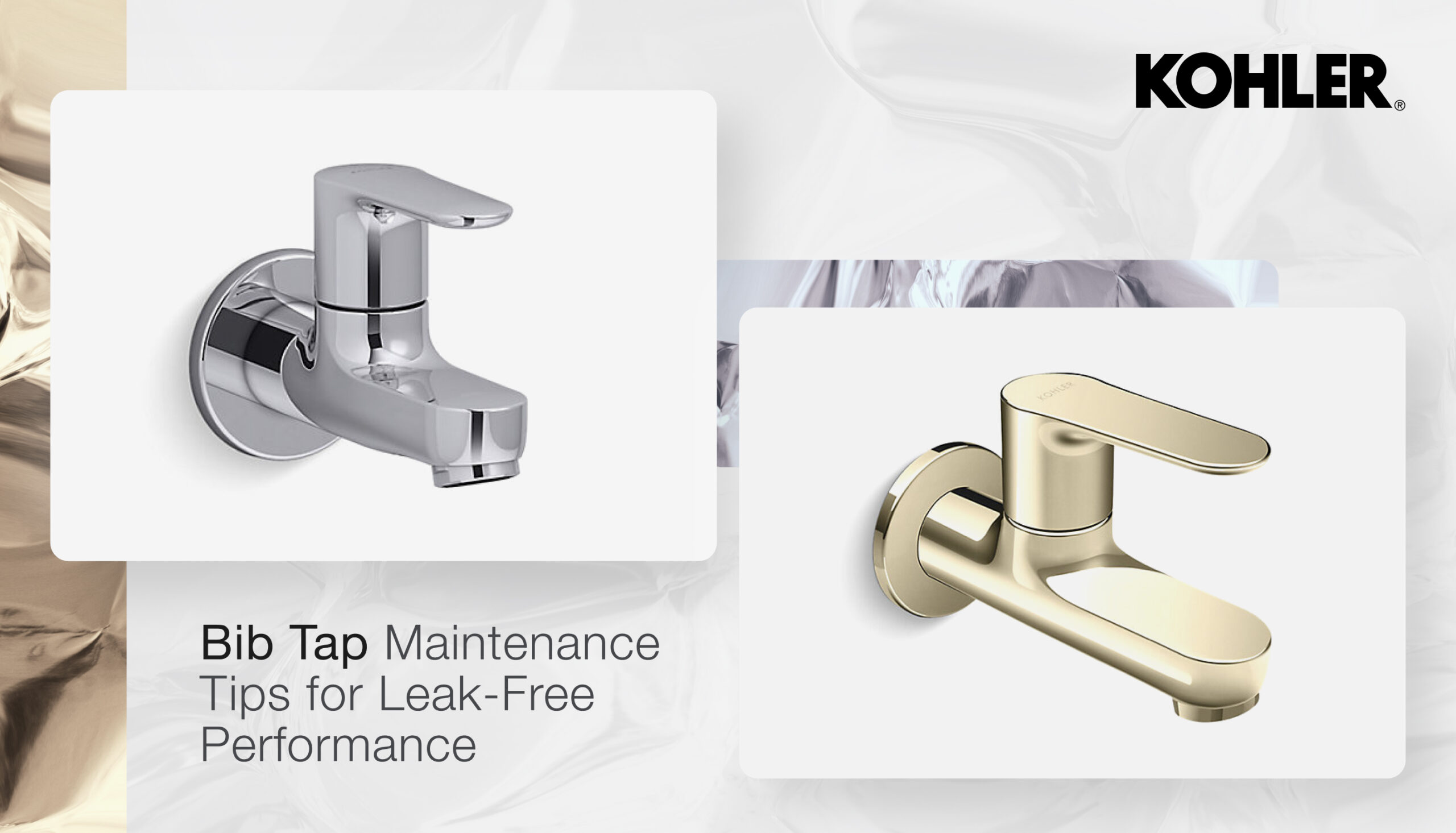
Bib taps work hard. Day after day, turning on and off, handling pressure, managing water flow. Most people forget about them until that irritating drip starts.
Regular tap maintenance prevents those midnight drips and morning frustrations. A few simple steps keep everything running smoothly. The best part? Most fixes take minutes rather than hours.
Check Washers Regularly
The humble rubber washer bears enormous responsibility. Every time the tap turns, pressure compresses it against the valve seat. That constant friction takes its toll.
Cracks appear. Rubber hardens. Performance drops.
Replacing washers before total failure makes sense. Waiting for a full breakdown creates bigger headaches and wastes litres of water each day. The job requires minimal tools and even less time. Standard washers cost pennies yet deliver months of reliable service.
How often should replacement happen? Watch for early warning signs rather than following rigid schedules. A slight reduction in closure firmness often signals upcoming trouble.
Read Also: Top Reasons to Switch to Wall-Hung Toilets in 2026
Tighten Loose Parts
Loose components cause chaos. The handle wobbles, the spindle shifts and water finds escape routes through gaps. Tightening seems obvious. Too tight, however, creates different problems.
Threads strip when excessive force is applied. Metal parts distort. Future repairs become nightmares. The sweet spot exists between loose and crushing.
Hand-tight plus a quarter turn usually suffices. Packing nuts especially benefits from this gentle approach. These small components seal the spindle area and respond well to moderate pressure. Check them seasonally and adjust as needed.
Lubricate Moving Parts
Constant motion creates friction. Metal rubs against metal with every turn. Plumber’s grease provides the answer here. Coating the spindle keeps rotation effortless and prevents grinding damage. O-rings maintain their flexibility when protected by proper lubrication.
The application takes seconds. Remove the handle, apply grease to visible moving parts and reassemble. This simple step extends component life substantially.
How much grease? A light film beats heavy globs. Excess lubricant attracts dirt and creates messy build-up. A clean application delivers better results.
Inspect the Valve Seat
This small metal ring determines sealing quality. When the tap closes, the washer presses against the valve seat to stop water flow. Scratches, pits or corrosion on this surface spell trouble.
A damaged valve seat defeats even new washers. The uneven surface prevents proper sealing. Persistent drips continue regardless of other fixes.
Re-seating tools grind the valve seat smooth again. The process removes tiny amounts of metal to restore a flat sealing surface. Professional plumbers keep these tools handy. Hardware shops stock them for home use, too.
Protect from Weather
External bib taps face harsh conditions. Summer heat expands metal. Winter cold contracts it. Temperature swings stress every component.
Tap covers provide affordable protection. These insulated jackets shield against extreme temperatures. Disconnecting hoses before winter prevents water from freezing inside the tap body. Ice expansion cracks metal and splits seals.
Spring inspections reveal winter damage early. Replace any questionable parts before the busy gardening season begins.
Replace Old Seals Promptly
Small drips waste shocking amounts of water. A tap dripping once per second loses thousands of litres annually. The water bill climbs. Resources disappear down the drain.
Seal replacement costs little compared to wasted water. Fresh washers and O-rings restore efficiency immediately. The investment pays back within weeks through reduced consumption.
Waiting for complete failure multiplies costs. Emergency repairs often happen at inconvenient times. Rushed fixes using whatever parts are available rarely deliver lasting results. Planned maintenance beats reactive scrambling.
Read Also: Modern Bathroom Accessory Essentials for Nepal Homes: A Top 10 List
Quality Components Make the Difference
Premium bib taps require less maintenance and deliver longer service life. Superior materials resist corrosion better. Internal components maintain tolerances longer. The difference shows up in daily performance and reduced repair frequency. Kohler Nepal offers bathroom and kitchen fittings built to withstand demanding conditions. Their tap range combines durability with precise engineering.
Frequently Asked Questions
How often should bib tap washers get replaced?
Replace washers when dripping starts rather than following fixed schedules. Quality washers might last years in soft water areas, but require annual replacement where mineral content runs high. Early replacement prevents water waste and maintains proper function.
What causes a tap to drip even after washer replacement?
A damaged valve seat typically explains continued dripping. The sealing surface might have scratches or pits that prevent proper washer contact. Inspect the valve seat and use a re-seating tool if surface damage appears. Debris between the washer and seat also blocks effective sealing.
Can regular vinegar really remove mineral deposits?
Standard white vinegar dissolves calcium and lime deposits effectively. Soaking affected parts overnight handles moderate build-up. A heavier scale might need repeated treatments or commercial descaling products. The acetic acid in vinegar breaks down minerals without damaging metal components.