In most bathroom projects, the toilet is not where the conversation starts. People usually get into tiles, lighting or storage first and circle back to this later. The toilet choice comes in later, though it ends up influencing how the space feels once everything is in place.
At that point, the comparison usually narrows down to a floor-mounted option or a wall mounted commode. Both are common across homes today. What changes is how each one sits within the layout and how the space reads when you walk in.
What Sets Them Apart
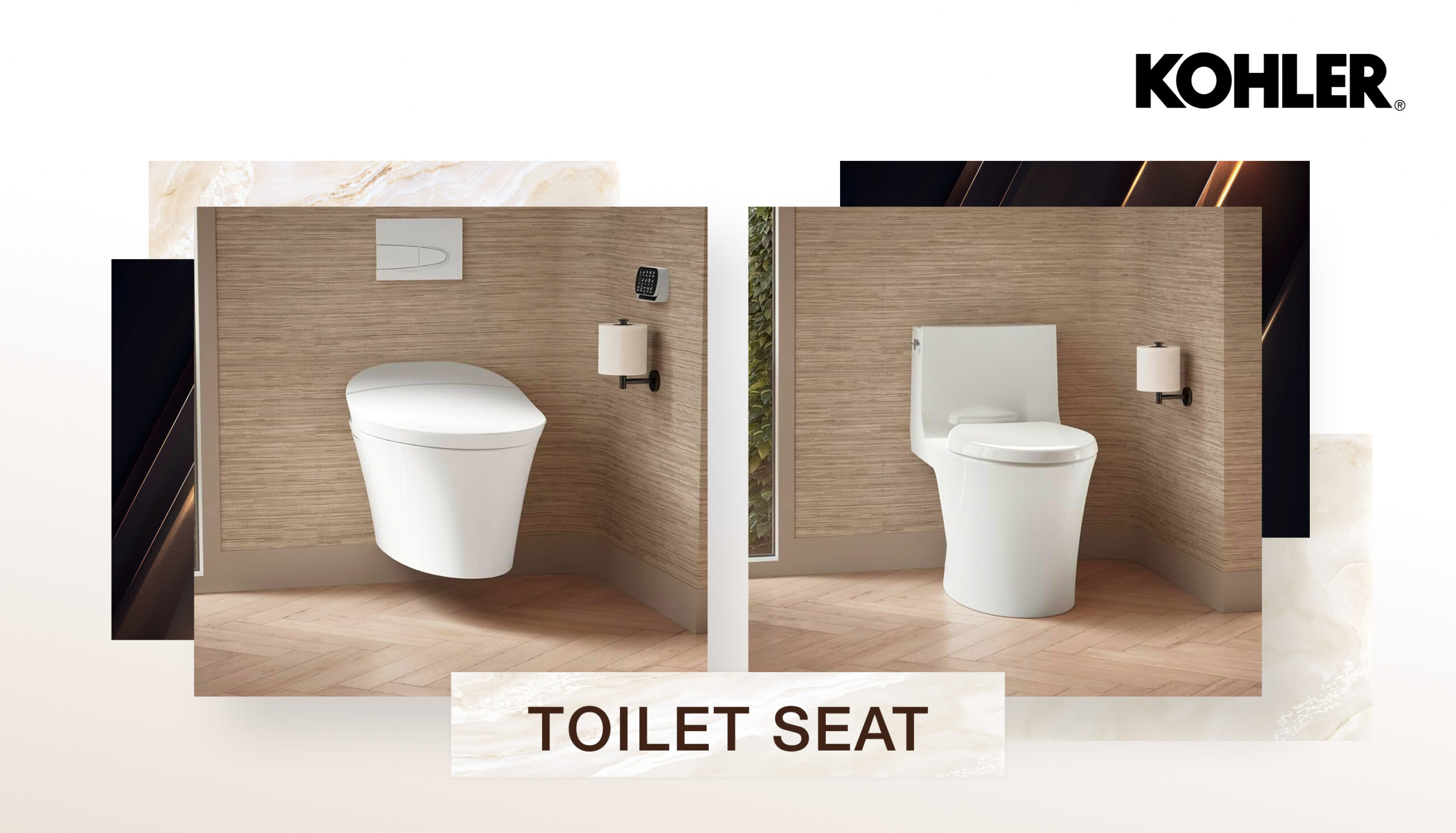
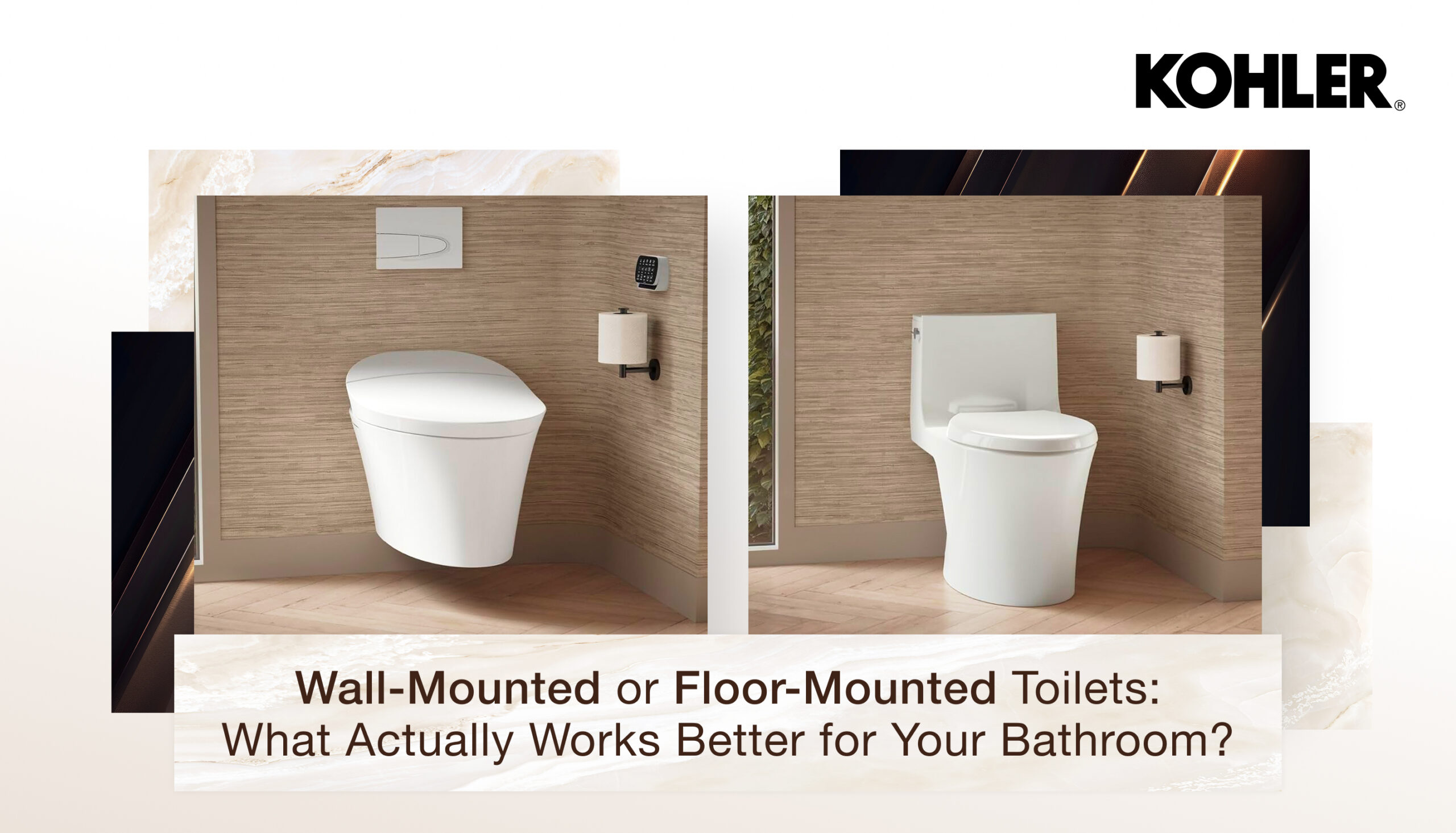
A floor-mounted toilet is the format most homes have used for years. It rests directly on the floor, with the tank either visible or built into the unit. The structure feels steady and familiar, which is why it continues to be a common choice. It feels familiar and solid and it fits easily into existing layouts.
A wall hung commode is fixed to the wall, with the tank hidden inside. What you see is just the bowl. That simple shift changes the way the bathroom looks more than you would expect.
How They Change the Look of a Bathroom
Once you start looking at the bathroom as a whole, the difference becomes easier to pick up.
A wall commode keeps the floor underneath open. It does not always stand out on a layout drawing. The difference becomes clearer with regular use. In more compact layouts, even a small amount of visible floor can influence how open the space feels.
A floor-mounted toilet sits directly on the floor, so that portion of the surface remains fully covered. The presence feels more anchored to the floor. In larger bathrooms, this barely changes anything. In smaller ones, it can make the area feel slightly more filled up than it actually is. A wall hanging commode usually works better in spaces where the idea is to keep things simple and visually light.
Space and Planning
This is not just a visual choice. Where you are in the process also makes a difference.
In a finished bathroom, a floor-mounted setup usually goes in without much disruption. The plumbing points are already in place, so the work stays fairly straightforward.
A wall-mounted option needs to be thought through earlier. Since the tank sits inside the wall, the structure has to be prepared for it. This tends to be easier when the space is being redone completely rather than adjusted midway.
Cleaning and Daily Use
Some differences only stand out once you start using the space every day.
With a wall hung toilet seat, reaching the floor underneath is straightforward. There is nothing blocking access around the base, so wiping the area takes less effort.
A floor-mounted toilet meets the floor along its edges. Over time, those areas can collect dust or moisture. It is nothing difficult to manage, though it does take a little more attention when cleaning.
Comfort and Use
What matters more in daily use is how the toilet feels over time.
Wall-mounted designs can be fixed at a height that feels comfortable during installation. Some people like having that control. Floor-mounted toilets come in a height that most people are already used to, so there is nothing new to get accustomed to.
What people end up noticing more over time is the seat shape and how the bowl is designed. That is what affects daily use far more than the way it is fixed in place. That is what people notice after using it regularly.
What Makes More Sense for Your Space
This is where the decision becomes more practical than technical.
If the bathroom is being built fresh or fully reworked, a wall-mounted option can sit nicely within the layout and keep things looking open. A wall-mounted setup tends to sit well when the entire bathroom is being planned together.
If the layout is already fixed and the goal is to avoid structural work, a floor-mounted option tends to fit in more smoothly. It works within the existing setup, so there is no need to alter the wall.
With Kohler Nepal, both styles are designed to work well in present-day bathrooms. The decision usually follows what the space allows and how much change you want to take on.
Frequently Asked Questions
Can the height of a wall-mounted toilet be changed later?
The height is set during installation. Changing it later would require opening up the wall, so it is best decided in advance.
Do wall-mounted toilets make noise from inside the wall?
The tank is concealed and designed to operate quietly, so sound levels usually stay controlled during flushing.
Is access to repairs difficult with a concealed tank?
Access is provided through the flush plate area, which allows servicing without breaking the wall.
Do both options work with modern bathroom designs?
Yes, both styles are used in contemporary bathrooms. The choice depends more on layout and installation preference than design compatibility.